
Introduction
The c38 atomic bomb remains a symbol of both incredible human innovation and catastrophic potential for destruction. Emerging from the intense geopolitical tensions of the Cold War, this thermonuclear weapon not only represented unprecedented destructive power but also ignited enduring ethical debates. Its legacy intertwines scientific prowess, military strategy, moral dilemmas, and the ongoing pursuit of global security, shaping our understanding of technology’s might and the imperative for peace.
The Birth of a Menacing Force: Origins and Development
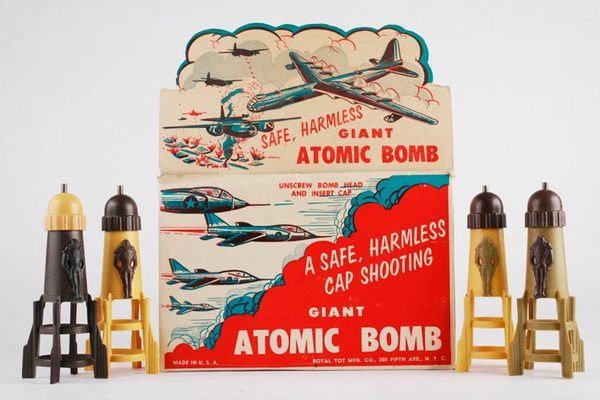
The c38 atomic bomb toy emerged during a critical juncture in history, marked by the geopolitical rivalries and ideological conflicts of the Cold War. It was the result of collective efforts by scientists and military strategists, driven by the desire for technological advancement and dominance on the global stage.

Context of the Cold War
The Cold War, spanning from the aftermath of World War II in 1945 to the dissolution of the Soviet Union in 1991, defined an era of ideological, political, and military struggle between the United States and the Soviet Union. This rivalry fueled a relentless arms race, prompting the development of increasingly sophisticated weaponry. The C-38 was a product of this fierce competition, arising from the urgent need to possess a weapon that could tip the scales of power.
Engineering the C-38: Unveiling Power and Destructive Potential
The engineering of the c38 atomic bomb showcased scientific ingenuity and the pursuit of unparalleled destructive force. It utilized complex technological advancements to harness nuclear fusion’s immense energy, resulting in a weapon of staggering potency.
Unveiling the Power
The C-38’s introduction marked a significant leap in destructive capability. Its yield, measured in megatons, surpassed anything seen before, capable of devastating entire cities and causing unprecedented destruction.
The C-38’s Destructive Potential
This thermonuclear bomb far exceeded its predecessors in explosive force, capable of reshaping landscapes and inflicting catastrophic casualties within moments of detonation. Its creation underscored the grave ethical and moral considerations surrounding its use and consequences.

Ethical Quandaries
The deployment of the C-38 raised intense ethical debates. Its unprecedented power and potential for catastrophic consequences sparked discussions about the morality of wielding such devastating weaponry, challenging established ethical frameworks.
Impact and Global Dynamics
The C-38’s inclusion in global arsenals altered international relations, escalating tensions and fostering a climate of uncertainty. The concept of mutually assured destruction influenced geopolitical strategies, alliances, and power dynamics.
Global Arms Race
The emergence of the C-38 fueled a frantic global arms race, intensifying the Cold War rivalry and amplifying the threat of nuclear conflict. Nations sought to match or exceed its destructive capabilities, jeopardizing global stability.
Treaties and Diplomacy
Recognizing the dangers of nuclear proliferation, international treaties and diplomatic efforts aimed to mitigate these risks. Agreements such as SALT and NPT sought to regulate arms control and prevent the spread of nuclear weapons.
Legacy and Lessons
The legacy of the C-38 serves as a stark reminder of humanity’s ability for immense destruction, emphasizing the need for restraint and ethical considerations. It shapes perceptions of nuclear deterrence, arms control, and the pursuit of peace.
Lessons Learned
The history surrounding the C-38 offers vital lessons about diplomacy, cooperation, and responsible governance in managing nuclear threats for global security.
The Ongoing Relevance
The continued relevance of the C-38 resonates in today’s world, reminding us of the challenges posed by nuclear threats and the importance of managing these risks.
Contemporary Significance: Navigating Nuclear Threats Today
In the current geopolitical landscape, nuclear warfare remains a pressing concern. The C-38’s legacy underscores the need to manage and mitigate these threats effectively.
The Imperative of International Collaboration and Disarmament Efforts
Addressing nuclear threats requires robust international collaboration and disarmament efforts. Strengthening global mechanisms for disarmament remains crucial for preventing nuclear conflict and ensuring global stability.
FAQ
What distinguished the C-38 from other nuclear weapons of its time?
- The C-38’s thermonuclear design and unmatched yield set it apart, representing a significant advancement in destructive capabilities.
How did the C-38 impact global politics during the Cold War?
- The bomb heightened tensions and sparked an intense global arms race, shaping alliances and influencing diplomatic strategies.
What ethical debates surrounded the development and use of the C-38?
- Intense ethical discussions arose about the morality of possessing such devastating weaponry and its consequences.
Were there efforts to regulate the proliferation of the C-38 and similar weapons?
- Yes, international treaties like SALT and NPT aimed to regulate arms control and prevent nuclear proliferation.
What lessons can be learned from the legacy of the c38 atomic bomb?
- The legacy emphasizes the need for responsible governance, diplomacy, and ethical considerations in managing nuclear threats.
Conclusion
The c38 atomic bomb’s enduring legacy serves as a reminder of humanity’s responsibility in navigating the complexities of global security and the pursuit of a peaceful world free from the looming threat of nuclear devastation.